Launching a Global DXP at Plug and Play
Role: Project Lead
Scope: Global corporate website transformation across 50+ offices
Overview
At Plug and Play Tech Center, I led the launch of a new Digital Experience Platform (DXP) to replace a legacy corporate website that no longer supported the company’s scale, growth, or operational needs.
The organization had expanded to over 50 offices worldwide, with constant updates coming from local teams, venture investments, and new programs. The existing platform struggled to keep up—resulting in poor user experience, heavy operational bottlenecks, and limited scalability.
The Challenge
- Fragmented user experience: Navigation, structure, and content were inconsistent and difficult to scale globally.
- Operational overload: A centralized governance model created a bottleneck for the marketing team, which handled constant update requests from global offices.
- High content velocity: Weekly startup investments, new programs, and location updates required continuous publishing.
- Lack of system integration: Key data (startups, programs, locations) lived across disconnected tools.
- Performance limitations: The website was hosted only in the U.S., leading to slow load times globally
My Approach
1. Strategic Alignment
I led workshops with senior leadership to redefine:
- Mission and vision
- Ideal Customer Profiles (ICPs)
- Core messaging and positioning
This ensured the new platform reflected the company’s global identity and growth strategy.
2. Platform & Architecture
We rebuilt the website using Magnolia CMS, a headless CMS that allowed us to decouple content management from frontend delivery.
Key decisions:
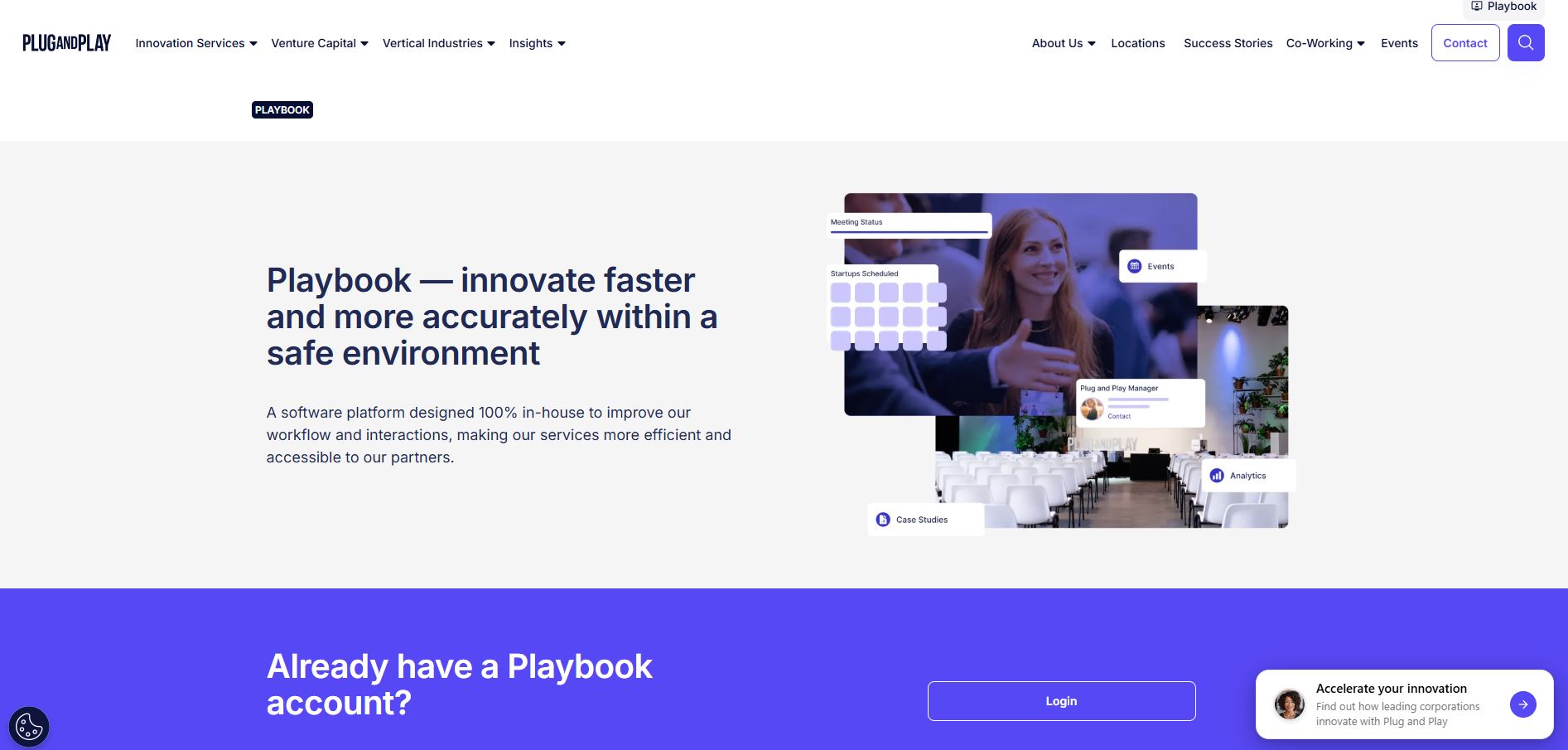
- Integrated with our internal SaaS platform Playbook, which served as the single source of truth for:
- Startup listings
- Programs
- Global locations
- Consolidated workflows into one system, reducing duplication and manual updates
Impact:
→ Reduced content update workload by ~50%
→ Enabled scalable, distributed content operations
3. Governance Redesign
We shifted from a fully centralized model to a more scalable structure:
- Empowered local teams with controlled publishing capabilities
- Defined clear roles and permissions
- Standardized content templates
This removed bottlenecks while maintaining brand consistency.
4. Solving SEO for Headless Architecture
A key challenge with headless CMS platforms is that search engines can struggle to properly index content if pages are rendered dynamically like a single-page application.
We addressed this by:
- Implementing server-side rendering (SSR) and pre-rendering critical pages
- Creating clean, crawlable URLs for all content types
- Generating dynamic sitemaps tied to Playbook data
- Ensuring proper meta tags, structured data, and internal linking
- Optimizing page performance (a major SEO ranking factor)
5. Martech Integration
We integrated:
- HubSpot for inbound marketing
- Salesforce for sales and pipeline management
This connected the website directly to marketing and revenue operations.
6. Infrastructure Upgrade
- Migrated hosting to Amazon Web Services
- Enabled global scalability and faster delivery through cloud infrastructure
Results
- Page load time reduced by 7x
- +10% increase in organic traffic
- SEO authority score +8 points in 4 months
- Bounce rate significantly reduced
- 50% reduction in content update workload
 Andrea Marín