Consultoría de marketing
Marketing omnicanal, marca y martech que trabajan juntos.
Ayudo a empresas a ordenar sus canales, su marca y su stack tecnológico para crecer con datos, no con intuiciones. Estrategia y ejecución, de la mano.
15+
años en marketing digital y growth, en B2B SaaS, seguros, educación y medios.
4 M€
de presupuesto anual gestionado en paid, orgánico y marca.
EU + US + LatAm
equipos y mercados en España, Polonia, Italia, Turquía, EE. UU. y Latinoamérica.
Servicios
Cuatro áreas, un mismo objetivo: crecer de forma medible.
01
Estrategia omnicanal
Un plan que conecta paid, orgánico, CRM, email, call center y punto de venta. Definimos el mix de canales, el presupuesto y los KPIs que importan.
02
Marca
Posicionamiento, mensaje y rebranding. Campañas de marca que generan demanda y contenido que sostiene la conversación con tu mercado.
03
Martech y datos
Auditoría e implantación de stack: HubSpot, Salesforce, Marketo, GTM, Power BI. Automatización, IA aplicada y dashboards para decidir con datos.
04
Marketing digital y performance
SEM, paid social, SEO y CRO. Lanzamiento de productos y campañas de captación con foco en coste por adquisición y retorno.
Cómo trabajo
Del diagnóstico a los resultados, sin capas de intermediarios.
1. Diagnóstico
Revisamos canales, marca, datos y herramientas. Detectamos dónde se pierde dinero y dónde está el crecimiento.
2. Plan
Prioridades, presupuesto y KPIs claros. Un roadmap que tu equipo entiende y puede ejecutar.
3. Ejecución
Me implico en la puesta en marcha: campañas, integraciones, automatizaciones y coordinación de equipos y agencias.
4. Medición
Dashboards y revisiones periódicas para ajustar rápido y escalar lo que funciona.
Casos
Proyectos con resultados medibles
Seguros · Lanzamiento de producto · B2C + B2B
Muévete por Días
Un seguro de coche por días lanzado desde cero: CRM, emisión online, go-to-market y equipo comercial.
1.500 pólizas/mes
Partiendo de 200 al lanzamiento.
Innovación · Web corporativa · Martech
Plug and Play
Nueva plataforma web global para más de 50 oficinas: mensaje, CMS headless, SEO e integración con HubSpot y Salesforce.
7x más rápida
Y +10% de tráfico orgánico.
Quién hay detrás
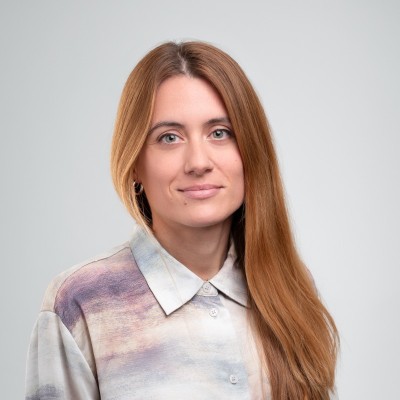
Soy Andrea Marín.
Llevo más de 15 años trabajando entre marketing, ventas, operaciones y tecnología, en empresas como Docplanner, Plug and Play, Berklee College of Music, Johnson & Johnson y AVON. Hago tanto marca como performance, y me siento igual de cómoda definiendo la estrategia que montando un dashboard en Power BI.
marinscada viene de mi apellido y de «mariscada»: abundancia, celebración y el premio que llega después del trabajo bien hecho.
¿Tu marketing crece más rápido que tu orden?
Cuéntame en qué punto estás. En una primera llamada de 30 minutos vemos si puedo ayudarte y cómo.

